After a First Fall
One fall doubles the odds of the next. After any fall, a balance assessment is urgent, not optional.
 AVR Physiocare Physiotherapy & Rehab
 Watch an elderly parent move through their own house and you can often see it coming: the hand that trails the wall, the pause at the bathroom door, the outings that quietly stop. Families notice, worry, and do the natural thing, which is to say be careful. But careful is not a strategy. Balance is a trainable skill, at seventy and at eighty-five, and the research on this is emphatic.
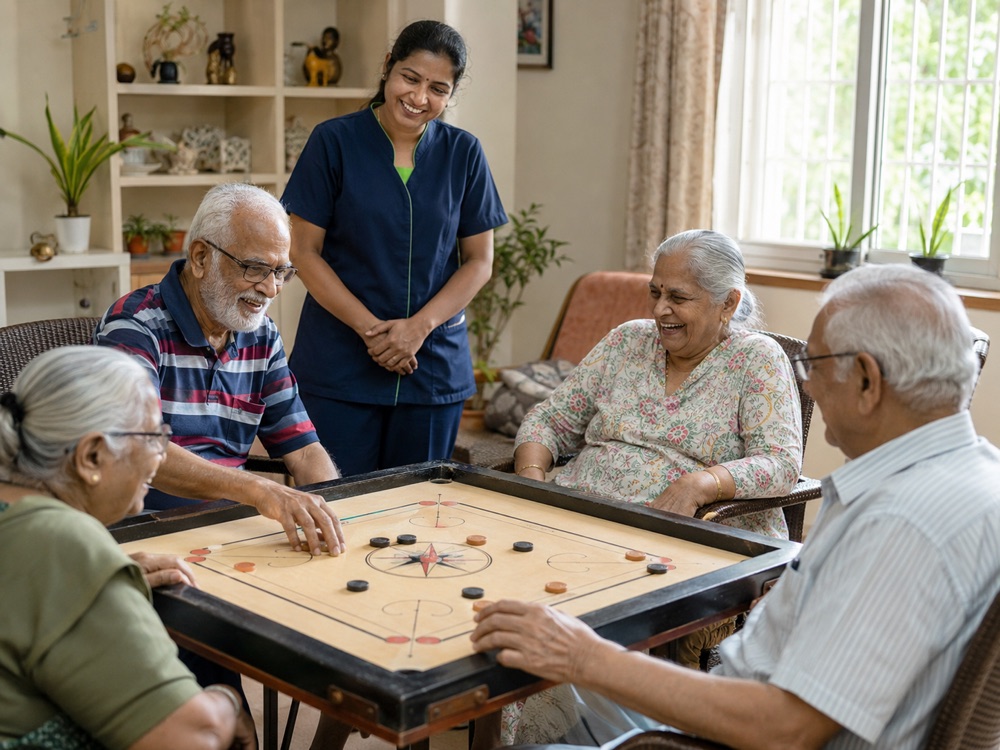
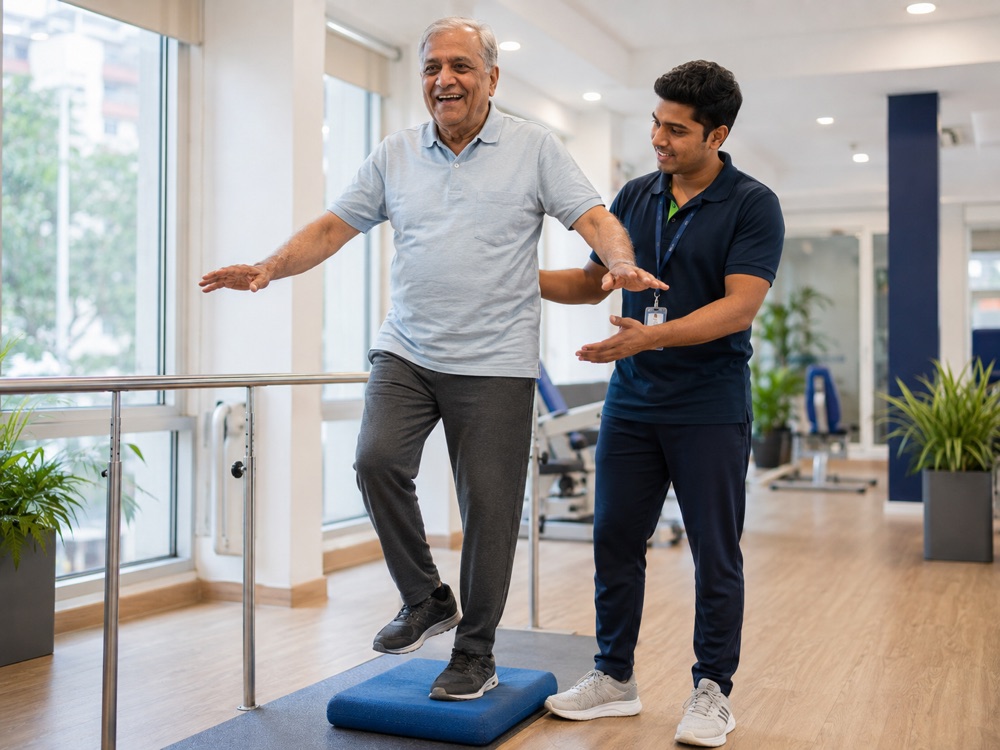
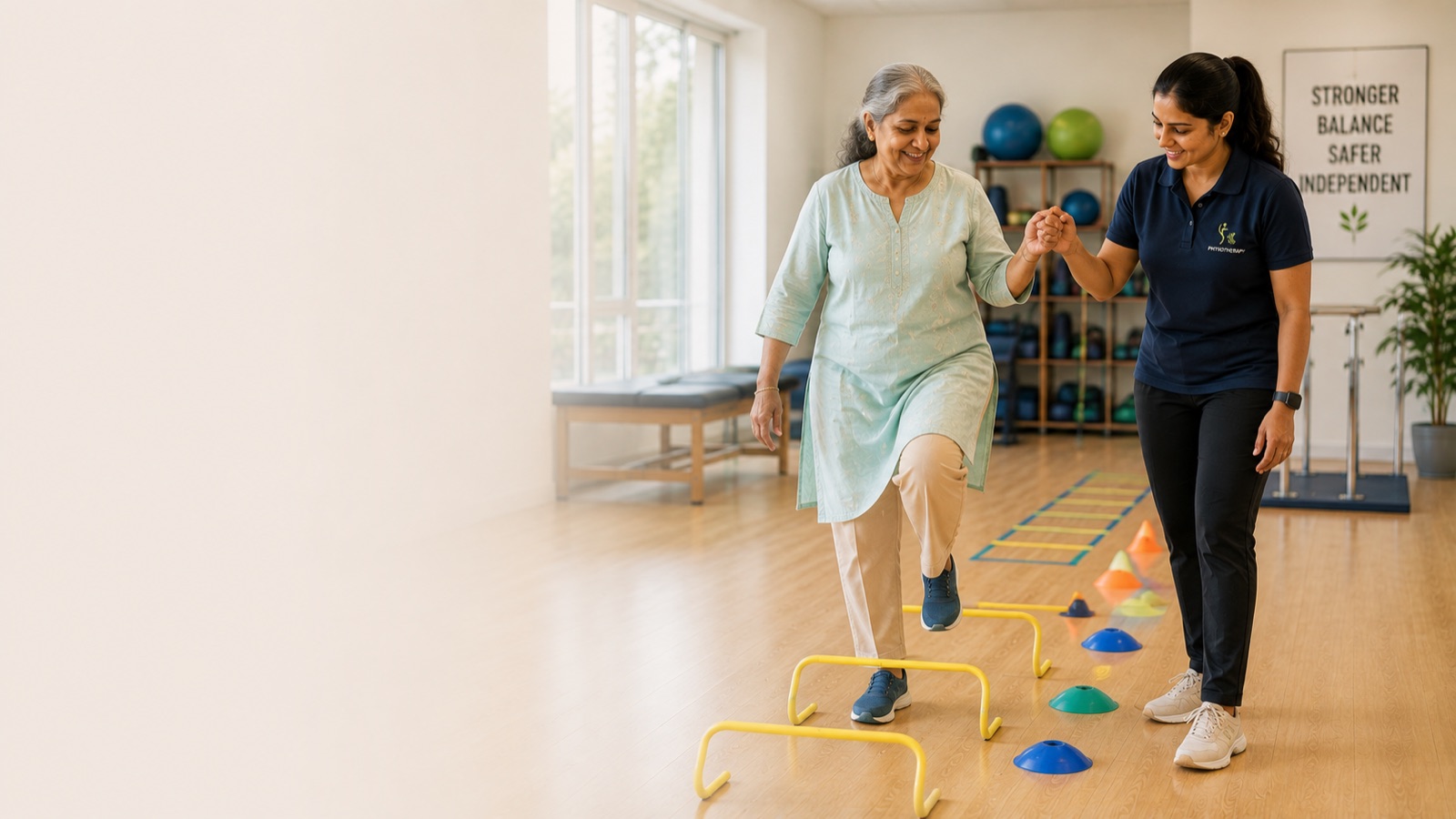
Our fall prevention program is honestly the most joyful thing in this clinic. Seniors arrive holding a railing and, within weeks, are stepping over foam hurdles and laughing about it. Underneath the laughter sits rigorous method: standardised tests like the Berg Balance Scale and Timed Up and Go to measure risk, targeted strength for the legs and ankles, reaction-step training to catch stumbles before they become falls, and a practical review of the home hazards that cause most of them.
01 · Who this helps
One fall doubles the odds of the next. After any fall, a balance assessment is urgent, not optional.
If moving through the house involves walls and chair backs, balance has already declined. It can be rebuilt.
Noticeably slower walking, avoided stairs, skipped outings. Early warnings worth acting on early.
Fear of falling shrinks life and, cruelly, worsens balance. Confidence is trainable too, and we train it.
02 · Our method
“After her fall my mother would not even walk to the gate alone. Eight weeks later she scolded me for offering my arm. I have never been happier to be scolded.”
Son of a balance training patient
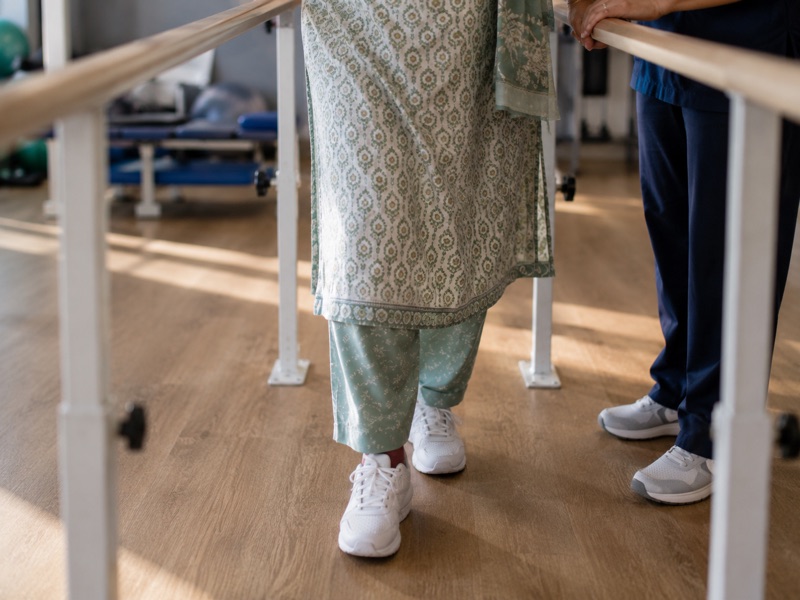
Foam pads, head turns, reaching, stepping courses. Progressively harder, always guarded, never boring.
Sit-to-stand power and ankle strength, the two physical factors research ties most tightly to fall risk.
Practising the quick protective step that catches a stumble. It is a reflex, and reflexes can be trained.
Bathrooms, loose mats, dim corridors, monsoon-slick floors. A practical checklist that removes the traps.
03 · The journey
Berg Balance, Timed Up and Go and strength testing give an objective picture, not a guess.
Twice-weekly sessions of steadily rising challenge, with retests that show the score moving.
A simple home maintenance routine and periodic re-checks, because balance is kept the way it was built.
04 · Good to know
Anything else on your mind? Call us. A physiotherapist answers the phone, not a machine.
Call +91 96867 82358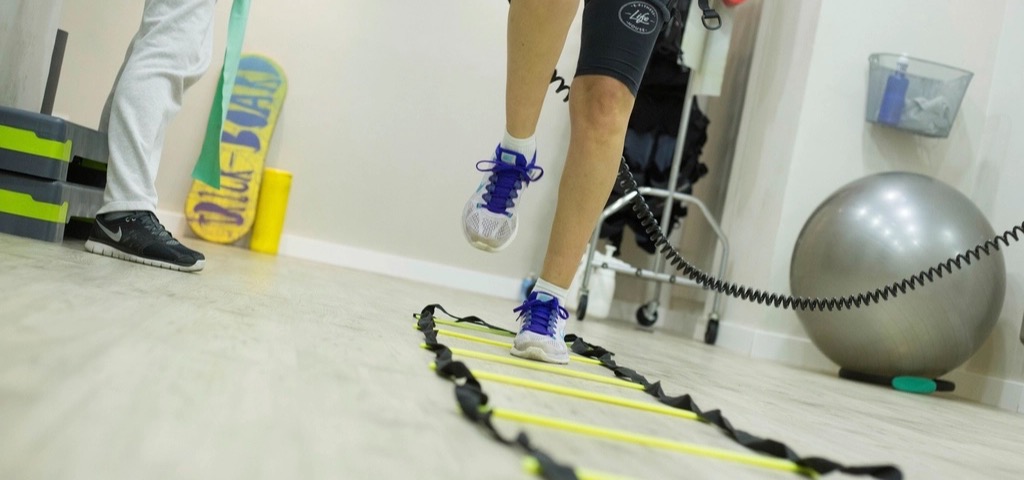
Yes, and it is one of the best-proven findings in geriatric medicine. Structured balance and strength training significantly reduces fall risk at any age, and we regularly measure clear improvement in patients in their eighties.
With proper supervision it is not only safe but especially important, since fragile bones make any fall more dangerous. Every exercise is guarded and progressed carefully.
Families usually notice steadier walking within three to four weeks. The formal retests at eight weeks typically show clear gains in balance scores and leg strength.
We provide a structured home safety checklist, and for home-visit patients we review the house directly. Bathrooms, poor lighting and loose mats cause a remarkable share of falls in Bengaluru homes.
Bannerghatta Road · RR Nagar · Kengeri
Call and describe what you are going through. We will give you an honest answer, even if that answer is that you need something else.