Post-ICU Recovery Care
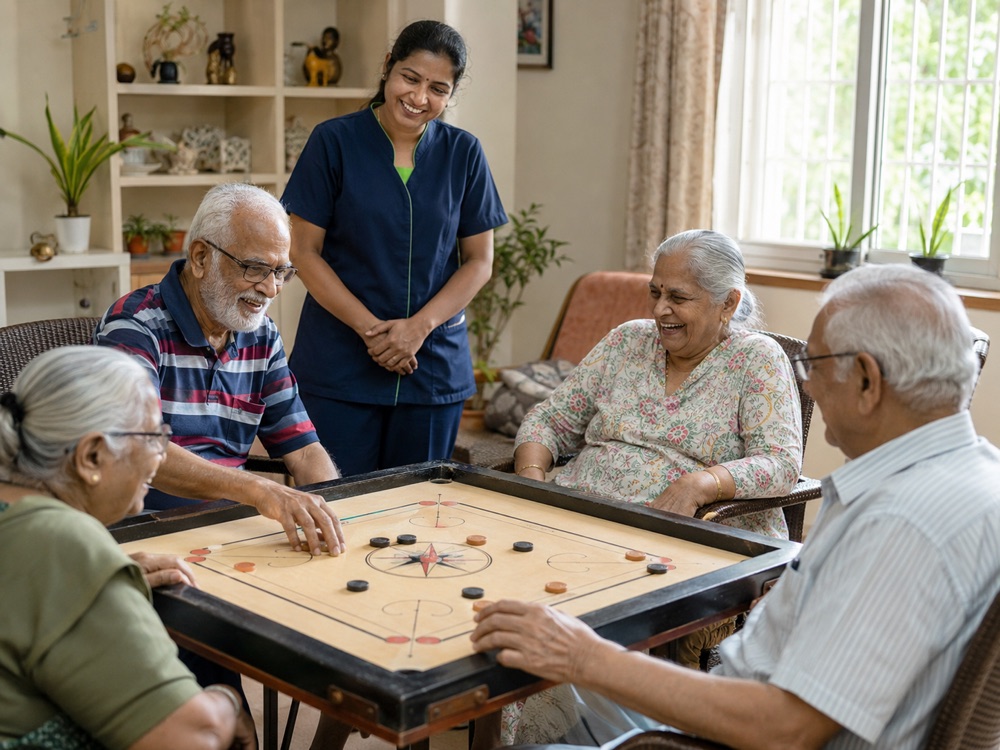
Structured nursing care for patients stepping down from intensive care, at our residence or through home visits.
 AVR Physiocare Physiotherapy & Rehab
 The hospital says the words every family waits for: stable enough to go home. Then comes the quiet panic. There is a tracheostomy to suction, a wound to dress, a feeding tube, a chart of medicines, and no nurse down the corridor anymore. This gap between hospital discharge and true recovery is where things most often go wrong, and it is exactly the gap this program closes.
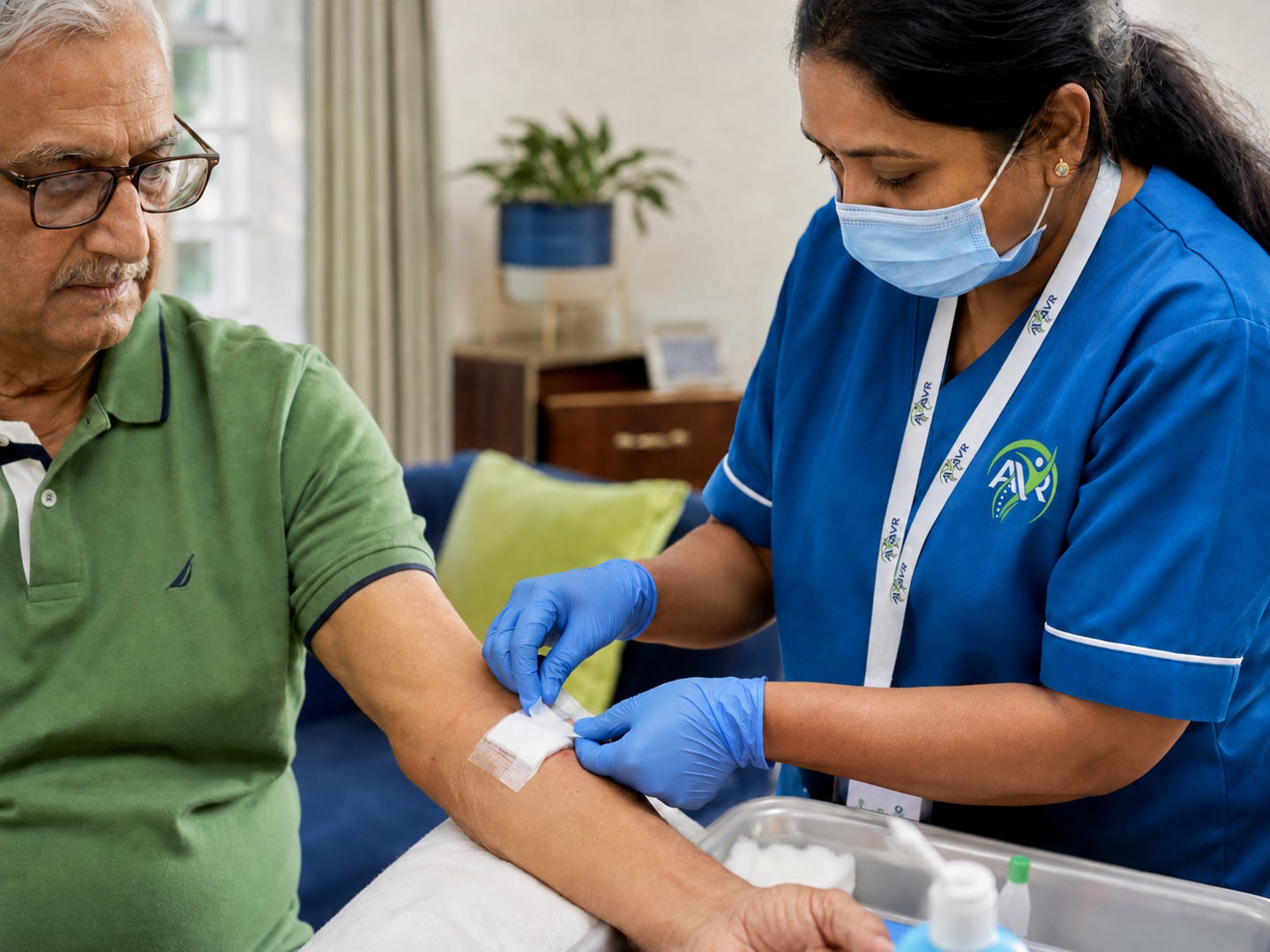
Our nursing team manages the clinical work of recovery: wound care and dressing, tracheostomy care, tube feeding and IV administration, medication management and infection monitoring, with doctor follow-ups coordinated so nothing slips. And because we are a rehabilitation center at heart, physiotherapy is woven in from the start, so the goal is never just safe, but steadily stronger.
01 · Who this helps
Structured nursing care for patients stepping down from intensive care, at our residence or through home visits.
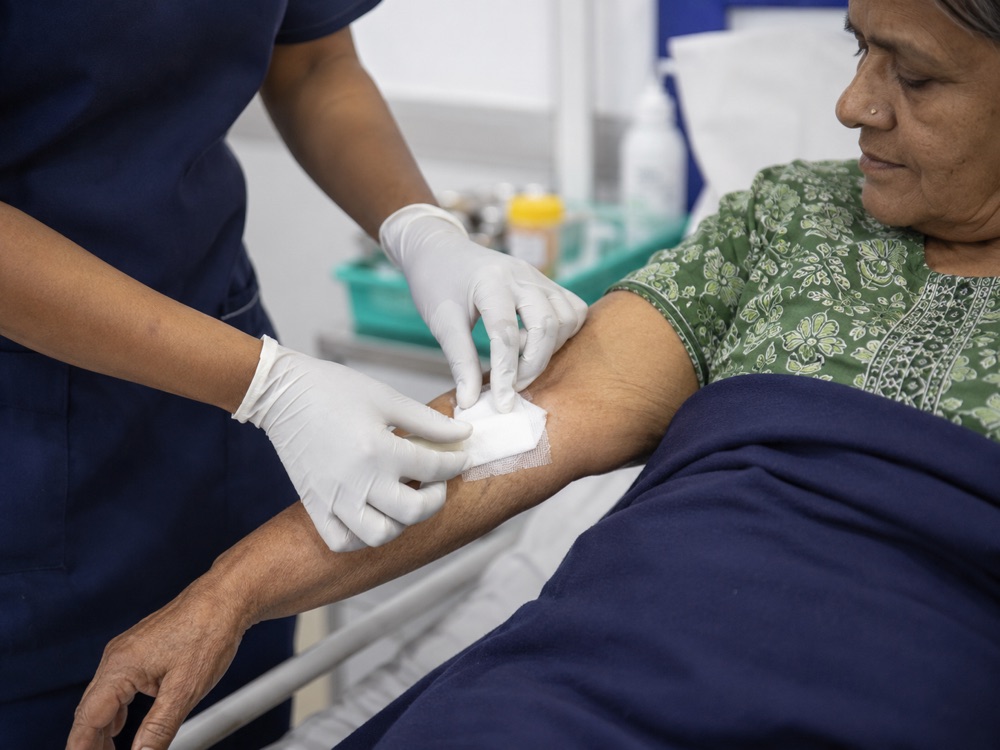
Professional wound assessment, dressing changes and healing monitoring on a disciplined schedule.
Trained, hygienic tracheostomy management including suctioning and daily care.
Safe tube feeding routines and IV administration, handled by trained nurses every time.
The right medicines at the right times, tracked and recorded without lapses.
Daily watch for early infection signs, with quick escalation when something changes.
Follow-up appointments coordinated and changes reported, so your doctors stay fully informed.
02 · Our method
“After 40 days in the ICU, bringing my father home terrified us. Their nurses handled the trachea care and feeding tube like it was nothing, and the physio had him sitting up within weeks.”
Son of a post-ICU patient
We start from the discharge summary, speak with the treating team where needed, and translate hospital instructions into a daily care routine.
Procedures like tracheostomy care and IV administration are done by trained nurses with proper technique and hygiene, every single time.
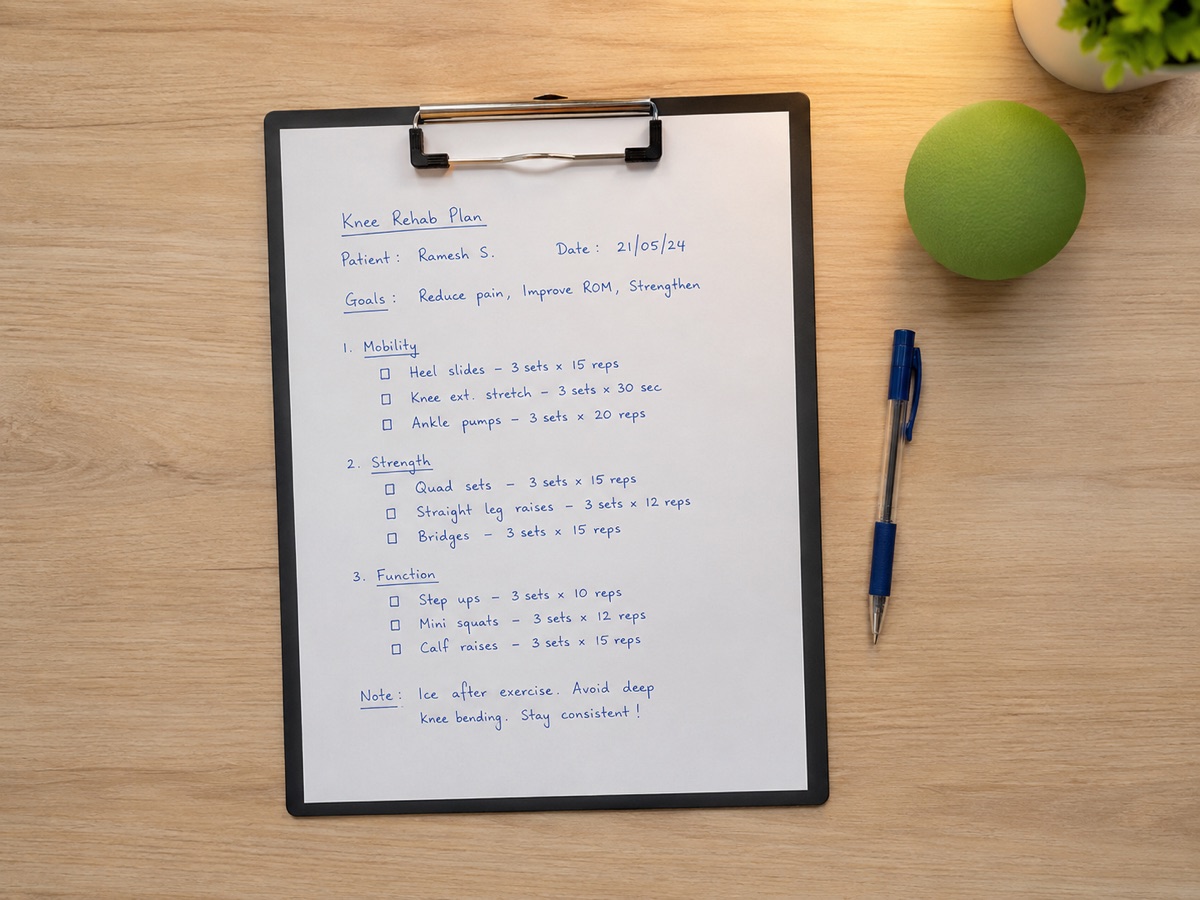
Early mobilisation, chest physiotherapy and positioning from our rehab team, because recovery is more than the absence of complications.
Follow-up appointments coordinated, changes reported, and escalation handled early rather than late.
03 · The journey
Share the discharge summary and we prepare the routine, equipment and nursing schedule before the patient arrives.
Close nursing attention, medication discipline, wound and infection monitoring, and gentle early physiotherapy.
As stability holds, care shifts toward strength, mobility and independence, with our rehabilitation programs taking over the running.
04 · Good to know
Anything else on your mind? Call us. A physiotherapist answers the phone, not a machine.
Call +91 96867 82358
Both. We provide structured home-visit nursing across Bannerghatta Road, RR Nagar and Kengeri, and residential care at our Bannerghatta Road facility when round-the-clock supervision is safer.
Yes. Tracheostomy care, tube feeding and IV administration are core services here, handled by trained nurses with strict hygiene protocols.
We work from the discharge summary, follow the treating team’s instructions, coordinate follow-up appointments and report changes so your doctors stay fully informed.
Usually immediately, at whatever level is safe: positioning, chest physiotherapy and gentle mobilisation at first, progressing to our full rehabilitation programs as strength returns.
Bannerghatta Road · RR Nagar · Kengeri
Call and describe what you are going through. We will give you an honest answer, even if that answer is that you need something else.